

BECAUSE LIFE GETS RAGGEDY
Articles + essays about and inspired by grief and loss
Crowdsourced stories about love and healing and mourning and transitions
More from the griefKit:
On Supporting Young People
“Addressing Grief: Tips for Teachers and Administrators” [National Association of School Psychologists]
Be understanding and tolerant of common grief reactions which include: decreased appetite, difficulty sleeping, a decreased ability to concentrate, increased sadness, and social withdrawal. Students sometimes also feel anger toward the deceased for leaving them.
“Guiding Adults in Talking to Children About Death and Attending Services” [National Child Traumatic Stress Network]
The grief of young children can be just as strong as that of any other family member. Yet you may see them grieve just a short time and then start playing.
“How to Help a Grieving Teenager: 10 Tips for Handling Teen Grief” by Catherine Brown [Full Circle Grief Center]
“The majority of teens we’ve worked with for the last 30, almost 40 years now, talk about how the best way for them to grieve and express themselves is to find a friend, particularly if they are all grieving the same death.”
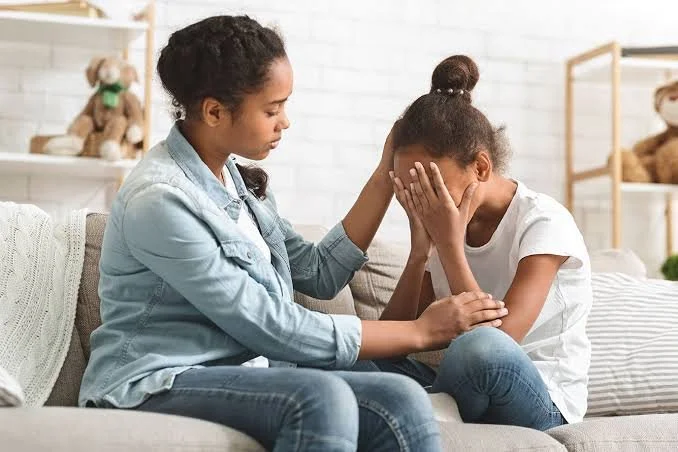

On Supporting Grieving Peers and Loved Ones
“Helping a Grieving Friend in the Workplace” by Alan D. Wolfelt, Ph.D. [Center for Loss]
Your coworker is faced with an overwhelming journey. While the need to mourn is normal and necessary, it is often frightening, painful, and lonely. Your coworker will not function “normally” in the workplace. Be sensitive and realize that she will have difficulty with attention, concentration, memory, and lack of motivation.
“‘Grief has the power to pull us from the people we are close to’: How to love someone in their darkest moments” by Alanna Duffield [Cosmopolitan]
“You know, the world doesn’t stop turning just for you.”
I am sitting in the stairwell of my old work building, crying, as the head of HR says this to me.
“Families Strengthened Through the Grieving Process” by M. Sue Bergin
From her 10 years as a hospice chaplain and bereavement counselor, author Sue Bergin shares this list of what to do—or not do—to support grieving friends or family.
“How to help someone after a miscarriage” [UCLA Health]
Losing a wanted pregnancy is a tragic, but all too common, occurrence. However, no matter when a pregnancy loss occurs — even if it’s very early in the first trimester — the effects can be devastating.
On Coping and Transforming Grief Into Action
“Grief Is Evidence of Love” by Kellie Carter Jackson [The Atlantic]
Yes, mourning is an acknowledgment of loss. But the late scholar bell hooks argued that it is also a way of honoring our commitment to those who have died.
“On Riding the Waves of Grief” by Tonja Renée Stidhum [The Root]
In a split second, I felt like I was drowning.
“Joy As An Act of Resistance: Spotlight on Julia Mallory” by Tara Campbell [Barrelhouse Mag]
When all else fails or feels difficult, a simple “I’m sorry I don’t know what to say but I can be present here with you” can work wonders. And by all means, please let people have their moments. It’s not the grief alone that debilitates people, it’s not being able to grieve that does the most harm in the long-run.
“Embracing Grief” by Sobonfu Somé [Sobonfu.com]
“For many people grief is an option. Looking at my own life, I realized it is a matter of life and death.”
“Every Time You Go Away” by Ruemara [Balloon Juice]
“The loss of a parent brings a finality to your childhood that even growing your first set of greys doesn’t. Parents are permanent, right? Not so fast, says time.”
“After my Sister Died, I Became Holey” by Jessica Yaeger [Manifestation Station]
“Something I hadn’t fully considered was that without my sister Vanessa, the dynamic of every other relationship I had would be changed and challenged, too.”

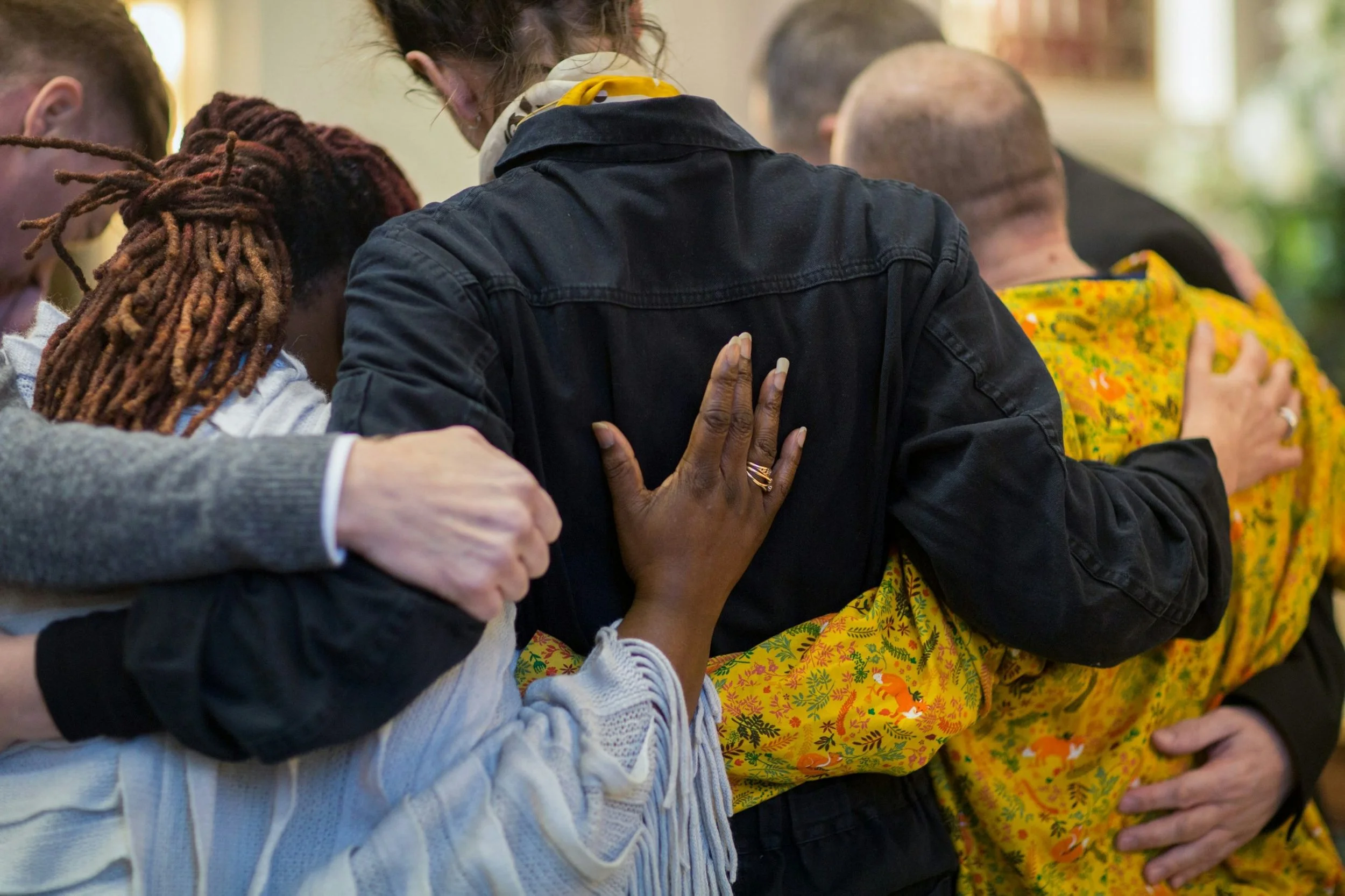
On Navigating Collective Grief and Trauma
“On Witness and Respair: A Personal Tragedy Followed by Pandemic” by Jesmyn Ward [Vanity Fair]
Without his hold to drape around my shoulders, to shore me up, I sank into hot, wordless grief.
“Black Women Get Real About Grief” by Kirsten West Savali [Essence]
“I took my husband Savali’s last breath with him on December 17, 2018, and I haven’t exhaled since. The pain has pushed past vital organs and settled deep into my bones now.”
“9 Reasons It Is Not Crazy To Grieve A Celebrity Death” by Litsa Williams [What’s Your Grief]
“Like so many things in grief, there are lots of reasons and no clear rules. Some people feel intense emotions around a celebrity death, others feel nothing.”

“It’s possible to go on, no matter how impossible it seems, and that in time, the grief … lessens. It may not go away completely, but after a while, it’s not so overwhelming.”
Nicholas Spark
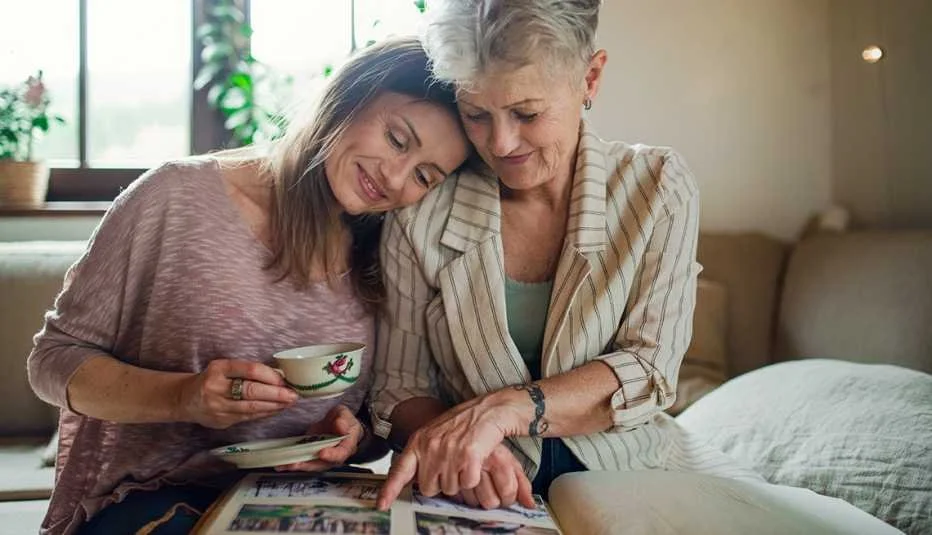
On Grief, Holidays, and Tradition
“Chinese Cooking Helps Me Connect With My Mother—And Helps Me Prepare to Lose Her” by Nicole Zhu [Electric Literature]
“Michelle Zauner’s memoir "Crying in H Mart" showed me how bonding over food could let me cope with anticipatory grief.”
“In Ghana, Funerals Are A Party. But My Dad's Couldn't Hold My Grief” by Leonie Owiredu [Harper’s Bazaar]
Leonie Owiredu lost her father when she was young. His funeral was a loud celebration, full of family and friends, in keeping with Ghanaian custom. But in all that noise, she didn't have the space she needed to grieve him.
“Mourning My Mother with Lemon Cake" by Alexis McCowan [Food & Wine]
This will be the first cake that I will eat without sharing a piece with my mother.
“Sweet and Sour Christmas: A Recipe” by Tara Campbell [Matter Press]
Advance Preparation:
Cave to self-imposed pressure to fly across the country to see family for the holidays again, despite your desire to stay home.
“Processing Grief Through the Afro-Indigenous Spiritual Practices Hoodoo and Ifa” by Michael-Michelle Pratt [Vogue]
I inquired about the basis of the reading, and she explained that it was a spiritual practice called hoodoo.
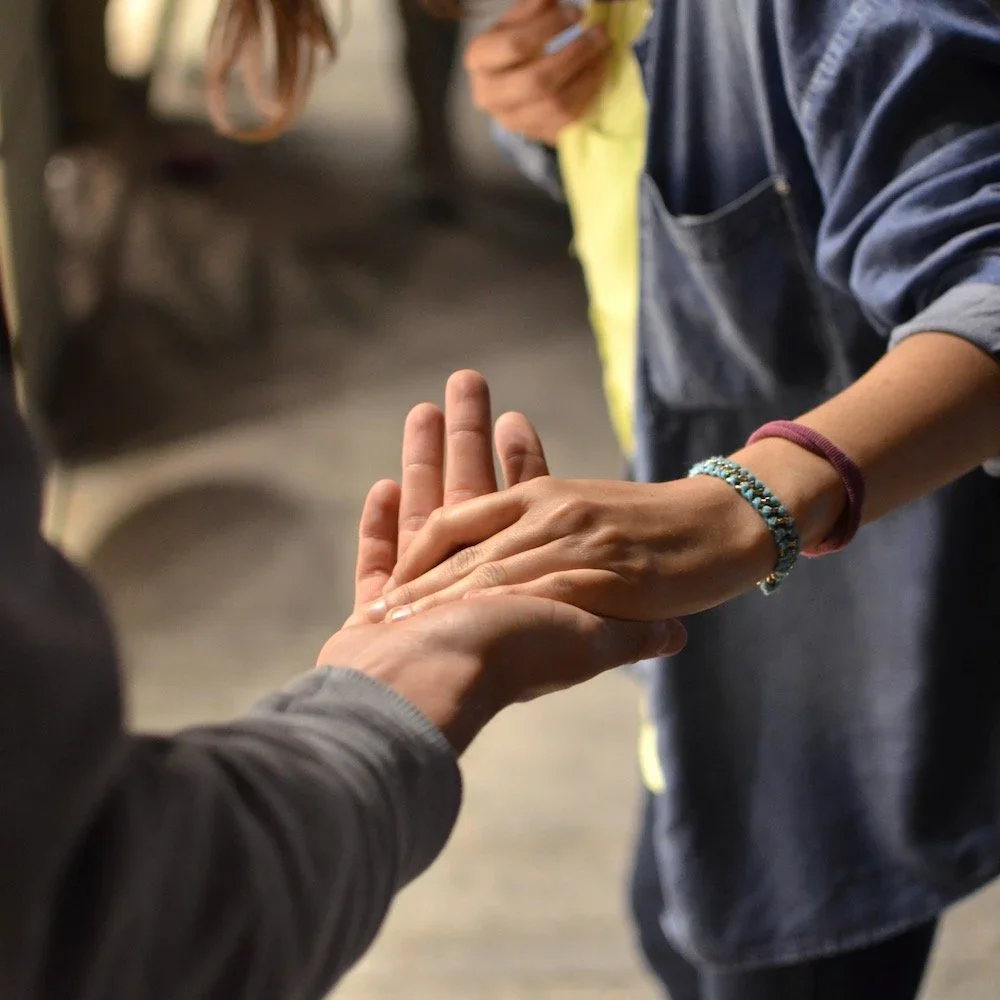
On loss of pets, friendships, opportunities, etc.
“My dog died two months ago. Pet loss causes deep grief that our society ignores.” [USA Today]
Bigler describes pet loss as a disenfranchised grief, or "a type of grief that isn't really openly acknowledged or socially mourned or publicly supported." Miscarriages and divorces, she says, also fall into this category.
“'Left to hold my grief alone.' Grieving platonic love in a culture of romantic domination.” by Sherronda J. Brown [Scalawag Magazine]
Here I am again, left to cobble these pieces back together, left to hold my grief alone.
“Losing a pet is hard. Here's how to cope” by Keisha “TK” Dutes [NPR]
Even though I thought I was prepared, the intensity of my grief surprised me. I realized that I wasn't just taking care of FMP every day, she cared for me too, and her passing left a hole in my life.
“Unnamed pain: Coping with ambiguous loss” [Mayo Clinic]
Ambiguous loss is a person's profound sense of loss and sadness that is not associated with a death of a loved one. It can be a loss of emotional connection when a person's physical presence remains, or when that emotional connection remains but a physical connection is lost. Often, there isn't a sense of closure.